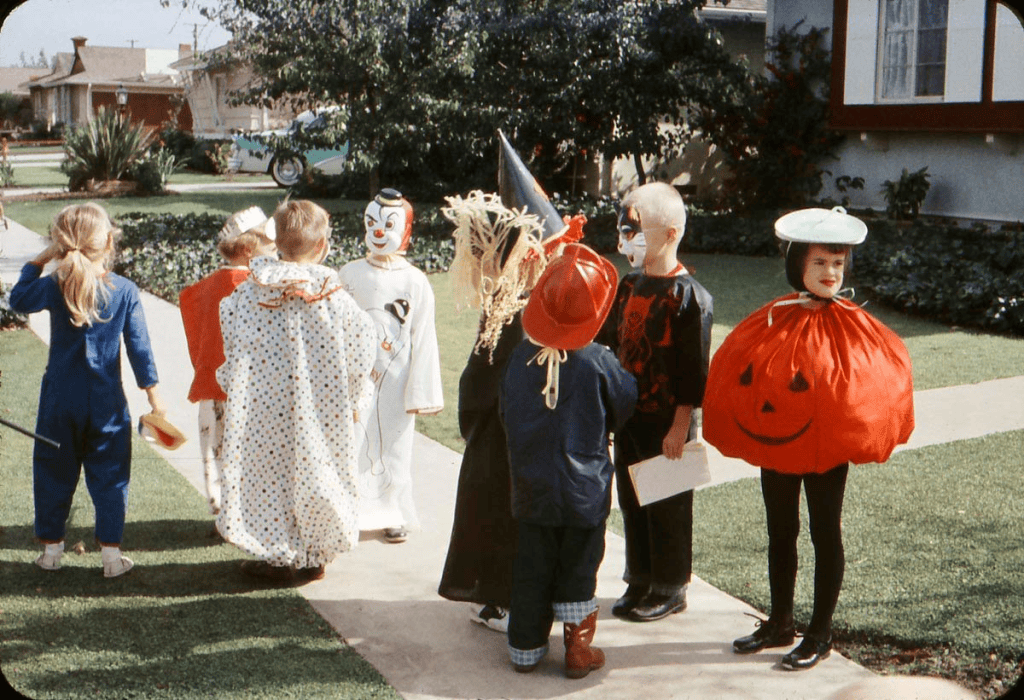
Every October 31, millions of kids dress up in costumes, walk around their neighborhoods and knock on doors asking for candy. Trick-or-treating is one of the most popular Halloween traditions, but have you ever wondered where it actually came from?
Believe it or not, trick-or-treating wasn’t always about getting free candy. The tradition goes back hundreds of years and has changed a lot over time. From ancient festivals to people going door-to-door asking for food, Halloween has a pretty interesting history.
Where Did Trick-or-Treating Start?
According to History.com, “Halloween has its roots in the ancient, pre-Christian Celtic festival of Samhain, which was celebrated on the night of October 31. The Celts, who lived 3,000 years ago in Central and Western Europe, believed that the dead returned to earth on Samhain. On that sacred night, people gathered to light bonfires, offer sacrifices and pay homage to the dead.”
Some people wore costumes or disguises during celebrations, a practice that historians connect to the development of modern Halloween traditions.
According to the Smithsonian Institution, dressing up and going door-to-door became common in parts of Ireland and Scotland centuries ago. Children would sometimes perform songs or other small acts in exchange for food or treats. This was known as guising.
A post shared by Abby | The Lunatics Project (@thelunaticsproject)
Before Candy, People Collected Soul Cakes
Another tradition that helped inspire trick-or-treating was called souling. During the Middle Ages, people in parts of Europe would visit homes asking for small cakes in exchange for prayers for deceased family members.
These treats were called soul cakes, and the tradition eventually became another influence on modern trick-or-treating.
Traditional soul cakes were one of the foods associated with early door-to-door Halloween customs. Image is illustrative.
How Trick-or-Treating Became Popular in America
When Irish and Scottish immigrants came to America, they brought Halloween traditions with them. But trick-or-treating didn’t become the popular activity we know today until the 20th century
According to HISTORY, Halloween used to involve a lot more pranks and troublemaking. By the 1950s, communities were encouraging children to celebrate by dressing up and collecting treats instead.
As neighborhoods grew and Halloween became more family-friendly, trick-or-treating became a tradition across the country.
YouTube: How trick-or-treating changed
When Did Halloween Become All About Candy?
Surprisingly, candy wasn’t always the main prize on Halloween.
According to HISTORY, children in the 1930s and 1940s received things like homemade cookies, fruit, nuts and even coins.
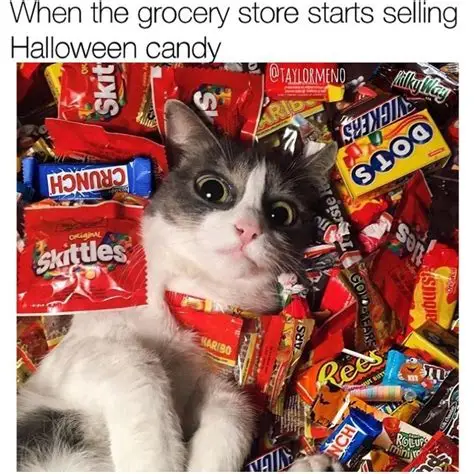
During the 1950s, candy companies started promoting their products for Halloween. By the 1970s, individually wrapped candy had become the preferred treat for many families
Trick-or-Treating Today
Today, Halloween looks very different from the ancient celebrations that helped inspire it. Instead of wearing costumes to protect themselves from spirits, people dress up as celebrities, movie characters and anything else they can think of.
Some families also participate in trunk-or-treat events, where children collect candy from decorated cars instead of going door-to-door.
Even though the tradition has changed over time, one thing has stayed the same: Halloween brings people together for a night of costumes, treats and fun.
So, when you grab a handful of candy this Halloween, remember that you’re participating in a tradition that has been evolving for hundreds of years.


Leave a Reply